
Spring in Alberta brings longer days, warmer temperatures, and fresh blooms, but for many residents, it also means the return of allergy season. Pollen, dust, pet dander, and other airborne irritants can quickly make their way indoors, especially in apartments where shared spaces and limited ventilation can sometimes contribute to poor air quality.
The good news is that with a few simple habits and seasonal adjustments, renters can create a healthier and more comfortable indoor environment throughout spring.
Keep Outdoor Allergens Outside
One of the easiest ways to reduce allergy symptoms is to prevent pollen and dust from entering your apartment in the first place. During peak allergy season, pollen can cling to clothing, shoes, and even pets.
Placing a doormat at your entrance and removing shoes when you come inside can help limit the amount of allergens tracked indoors. It’s also a good idea to wash jackets, scarves, and other outerwear regularly during spring.
On particularly windy or high-pollen days, keeping windows closed can make a noticeable difference. While fresh air is appealing after a long winter, open windows can allow pollen to circulate throughout your apartment.
Change Furnace and Air Filters Regularly
Air filters play a major role in maintaining indoor air quality. Dirty or clogged filters can circulate dust, pollen, and other particles throughout your apartment rather than trapping them.
If your apartment has accessible furnace or HVAC filters, changing them regularly during allergy season can help improve airflow and reduce airborne irritants. Using a portable air purifier in bedrooms and living spaces also helps keep the air cleaner.
For tenants unsure about maintenance responsibilities related to filters or ventilation systems, contacting their property manager is always recommended.
Focus on Dust-Prone Areas
Dust tends to build up more during the winter months when windows stay closed and indoor heating runs constantly. Spring is the perfect time for a deeper clean.
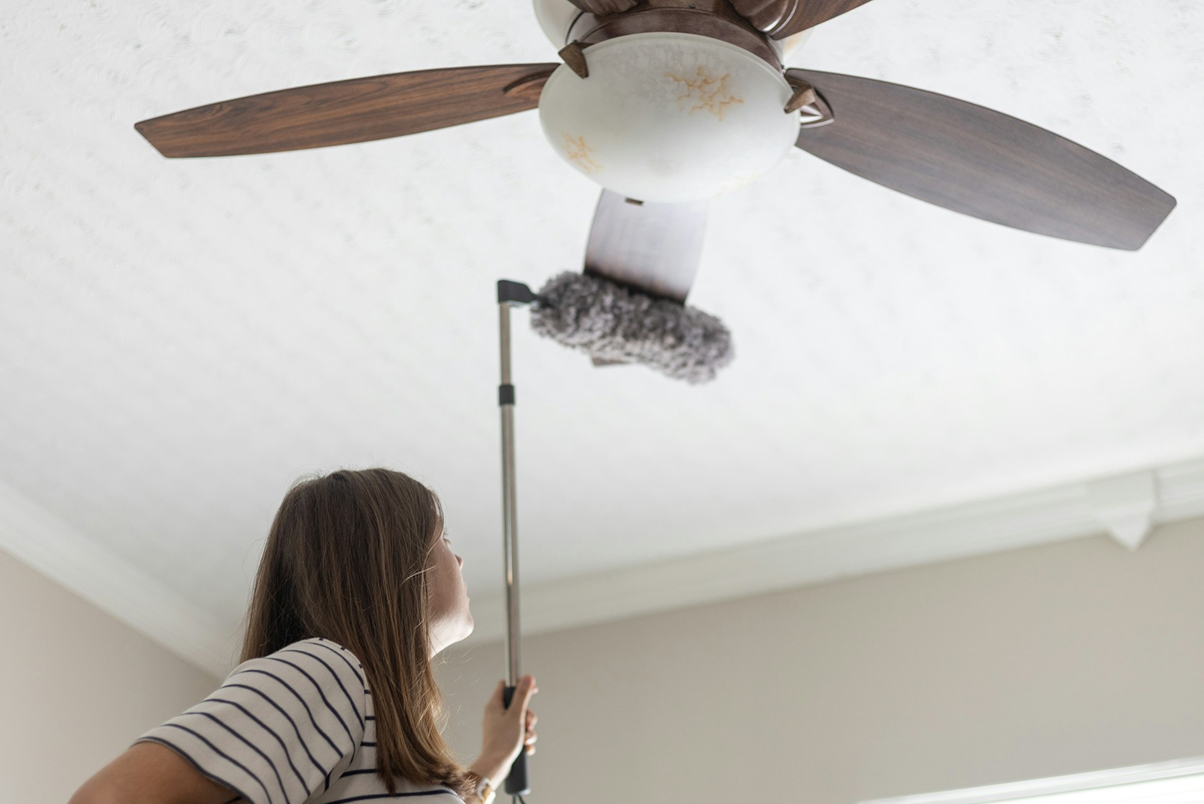
Paying extra attention to areas such as baseboards, window sills, upholstered furniture, ceiling fans, and vents can help reduce allergens that may have accumulated over the colder months. Cleaning under beds and couches regularly can also improve indoor air quality.
Using a damp cloth instead of dry dusting is often more effective because it helps trap allergens rather than spreading them into the air. Vacuuming carpets and rugs frequently with a vacuum that has a HEPA filter can also reduce dust and pet dander throughout the apartment.
Reduce Moisture
Spring snowmelt and rainy weather can sometimes lead to excess moisture indoors. Bathrooms, kitchens, and laundry areas are especially prone to humidity buildup, which may contribute to mold growth.
Running bathroom fans during showers and using kitchen exhaust fans while cooking can help reduce indoor humidity levels. Reporting leaks or signs of water damage promptly is also important to prevent moisture-related issues from becoming more serious.
If condensation appears regularly on windows, wiping it away and improving airflow in the apartment can help maintain a healthier indoor environment.
Don’t Forget About Bedding
Because we spend so much time sleeping, bedding can become a major source of allergens. Dust mites thrive in warm fabrics such as pillows, blankets, and mattresses.
Washing sheets and pillowcases weekly in hot water can help reduce allergens significantly. Vacuuming mattresses occasionally and using allergy-friendly pillow or mattress covers may also improve comfort during allergy season.
For pet owners, keeping pets off the bed and couches during the spring months may also help reduce allergy symptoms and improve sleep quality.
Apartment living should feel comfortable year-round, and a few seasonal adjustments can go a long way during allergy season.