
As September arrives in Edmonton and the mornings start to carry a real chill, utility costs are probably on your mind. Heating bills can climb quickly once Alberta's winter gets going, and the habits you build now, at the turn of the season, can make a real difference in what you pay between now and spring. Whether you are settling into a new place or getting comfortable in the one you have, a few practical adjustments go a long way.
Get Familiar With Your Thermostat
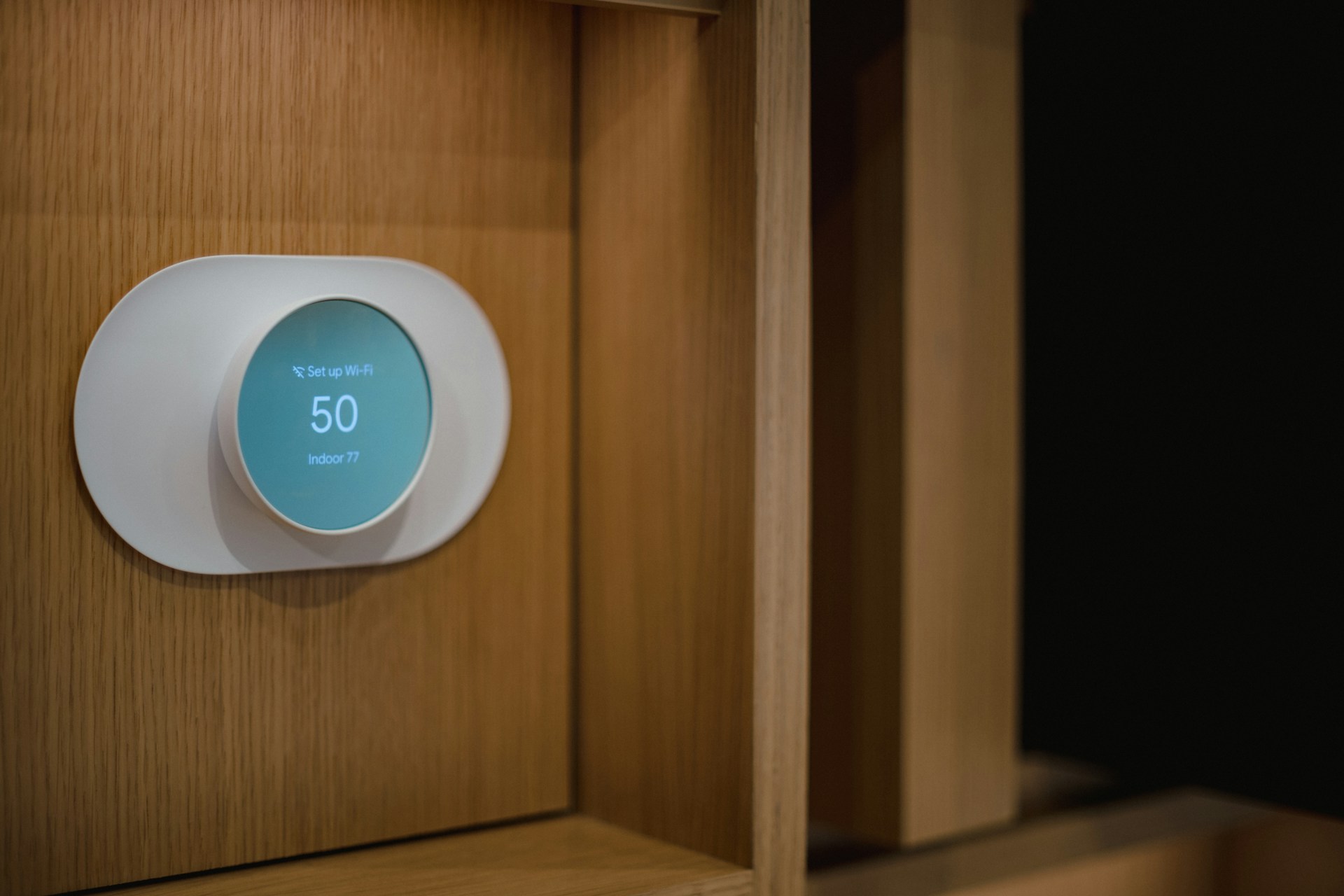
The single biggest driver of utility costs in a Canadian winter is heat, and the best time to take control of it is before the cold arrives. If your suite has its own thermostat, use it deliberately. Dropping the temperature a couple of degrees overnight or while you are away can produce real savings over a full winter. Suites at Glory Manor in Edmonton's west end come with individual thermostats, giving residents direct control over their own heating. When you are shopping for a rental, it is a useful feature to ask about.
Seal the Gaps Before Winter Hits
Heat escapes through gaps you may not think about. Door thresholds, window frames, and electrical outlets on exterior walls are all common culprits in older buildings. A draft snake at the base of a drafty door is one of the cheapest and most effective fixes you can make, requiring no tools and no landlord permission. Layered curtains or thermal blinds over windows can also hold warmth in noticeably, paying off month after month once the temperature drops.
Know What Your Rent Already Covers
One thing that catches renters off guard is not knowing which utilities are included in their monthly rent and which are metered separately. Many Edmonton apartments include heat and water in the base rent, which simplifies winter budgeting considerably since your biggest seasonal cost is already accounted for. Millbourne Mews in Edmonton's Millbourne neighbourhood is the kind of community where it is worth asking exactly what is covered when you inquire about a suite. Understanding this upfront lets you budget more accurately and avoid surprises on your first bill in November.
Rethink the Small Stuff
Beyond heat, everyday habits can chip away at electricity costs over time. Switching to LED bulbs, unplugging devices and chargers when not in use, and running appliances during off-peak hours are low-effort changes that add up across a season. Shorter showers and turning off the tap while you brush your teeth help lower water costs if water is metered in your unit. None of these require significant effort, but done consistently, they can make a noticeable difference by the time your spring bills arrive.
Fall is a good time to take stock of how your apartment uses energy and where small changes might add up. If you are still searching for your next home, paying attention to what utilities are included and whether the suite gives you control over your own heat is well worth the extra questions during a viewing.